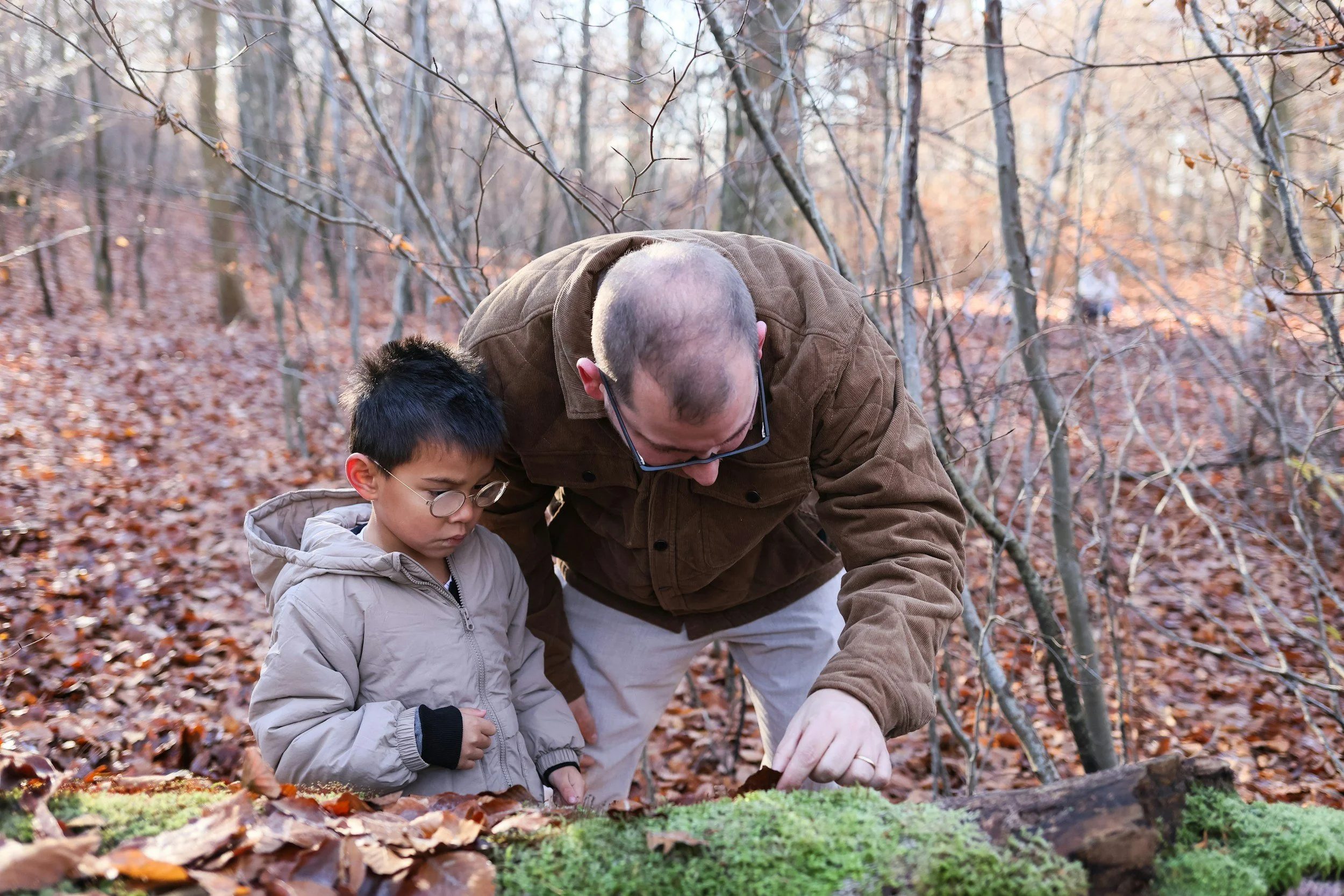
Let your child know that worrying is natural, perhaps providing an example of something you have worried about and what you did to manage your fears. Help your child become more aware of where anxiety resides in their body. Mindfulness, such as belly breathing or grounding exercises can help. Help your child to recognize their signs of anxiety and their strategies to cope with it.
In her book, The Gardener and the Carpenter, Alison Gopnik describes two types of parents:
1) “The "carpenter" thinks that their child can be molded. "The idea is that if you just do the right things, get the right skills, read the right books, you're going to be able to shape your child into a particular kind of adult."
2) The "gardener," on the other hand, is less concerned about controlling who the child will become and instead provides a protected space to explore. The style is all about "creating a rich, nurturant but also variable, diverse, dynamic ecosystem."
What kind of parent do you want to be?
Some children may absorb whatever emotions are around them. Others may be brick walls who are closed and remain largely untouched by their surroundings. A middle path may be that of a gate keeper. Help your child become aware that they have choices. They can decide how much they want to let in and what they may need to keep out. By supporting kids through this scaffolding, we provide an opportunity for deeper level reflection and more aware and attuned growth.
Talking about your family’s relationship with anxiety helps to validate and normalize their fears. In some cases, anxiety may lead to somatic complaints or even avoidance. We can foster resilience by providing a space for our children to talk about their anxiety. We can assure them that we have faith in their ability to manage. Asking “What happened at school today?” followed by “And what else?” may give you a chance to point out to your child that perhaps things went better than expected or something that they had worried about in advance didn’t materialize. Acknowledge the anxiety and praise effort. Parents can convey that what their child did was important and worth doing. Yes, they were anxious but they were brave and did it anyway!
You can choose to be a carpenter and try to build your child to your specifications, or… you can be a gardener meeting your child where they’re at, nourishing them, and helping them grow.
More Helpful Readings on change and worries for back-to-school:
School Mental Health Ontario
Child Mind Institute
Kelty Mental Health Resource Centre